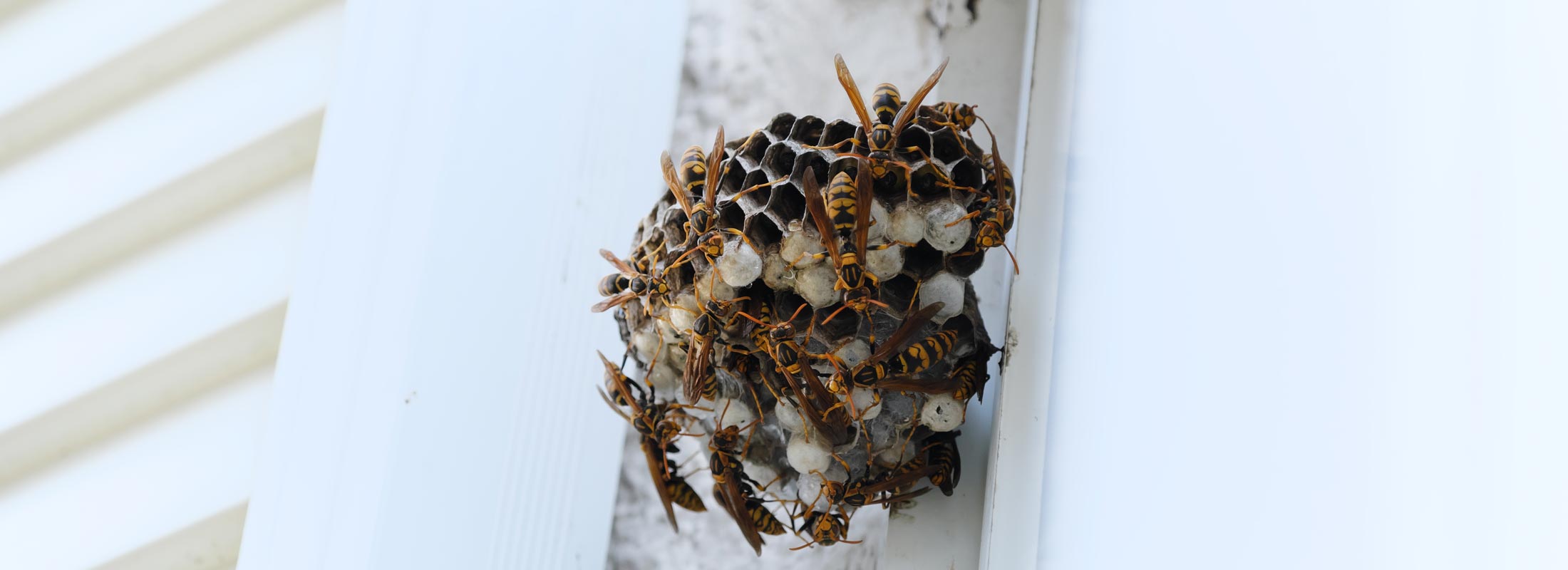
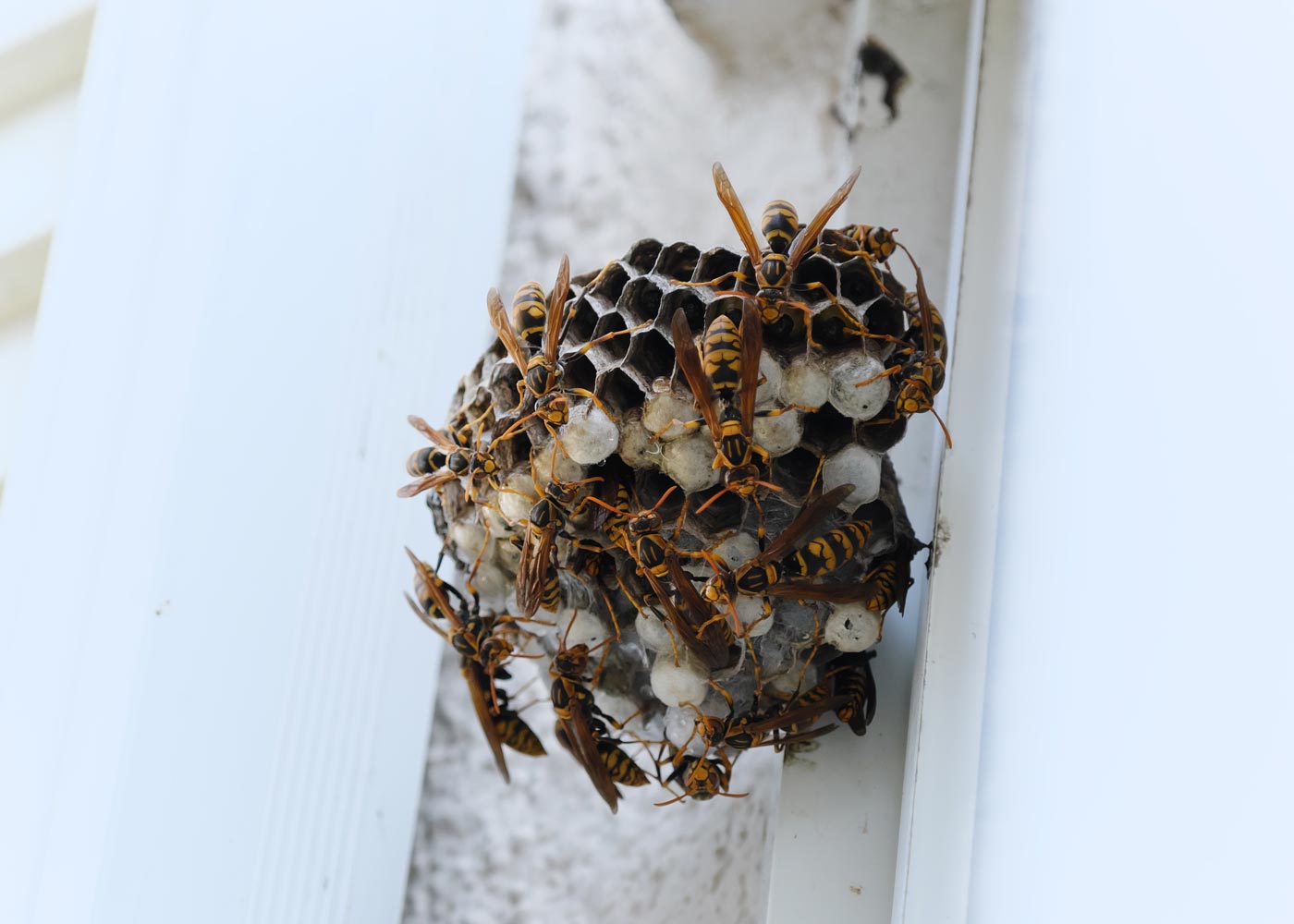
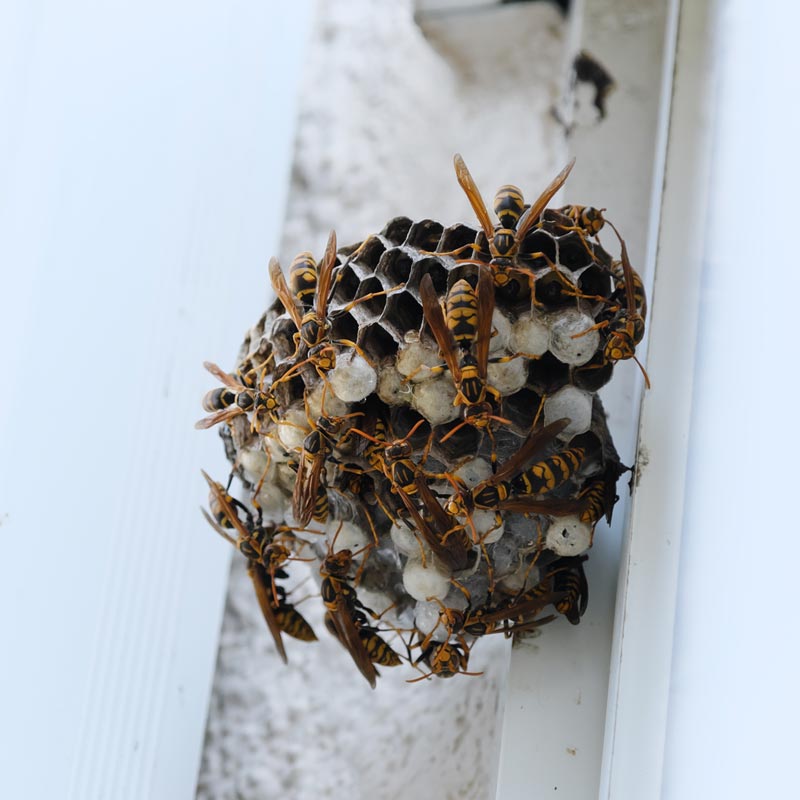
Wasps in Palm Harbor Florida
Wasps in Palm Harbor: A Buzzing Tale of Diversity and Importance
Nestled along the Gulf of Mexico in Florida's picturesque Pinellas County, Palm Harbor is a place of scenic beauty and natural wonder. This coastal community, with its lush greenery, warm climate, and diverse wildlife, is home to a myriad of fascinating creatures. Among these, one group stands out for both its ecological significance and its sometimes-controversial reputation: wasps.
Wasps, often misunderstood and feared, are a diverse group of insects belonging to the order Hymenoptera, which also includes bees and ants. They come in various shapes, sizes, and colors, and they play a crucial role in the local ecosystem of Palm Harbor. In this essay, we will explore the world of wasps in Palm Harbor, delving into their biology, behavior, and their vital contributions to the local environment.
The Role of Wasps in Palm Harbor's Ecosystem
Contrary to popular belief, wasps are not just nuisances or potential threats. They serve several vital ecological roles that contribute to the overall health and balance of the Palm Harbor ecosystem:
- Pollination: Wasps, like their bee relatives, play a role in pollinating various flowering plants. While they may not be as effective as bees in pollination, some wasps are important pollinators for specific plant species. Their contribution to pollination helps maintain the local flora's genetic diversity and supports other wildlife dependent on these plants for food and shelter.
- Predators: Many wasp species are carnivorous and feed on a variety of insects, including pests that can damage crops and gardens. By helping to control pest populations, wasps indirectly benefit agriculture and horticulture in Palm Harbor, reducing the need for chemical pesticides.
- Decomposers: Certain wasp species are scavengers, feeding on dead insects, decaying matter, and carrion. They play a role in breaking down organic material, aiding in nutrient cycling and decomposition processes that enrich the soil.
- Parasitoids: Some wasps are parasitoids, meaning they lay their eggs on or inside other insects. As the wasp larvae develop, they consume their host, which can help regulate populations of pest species, further benefiting local ecosystems.
- Nectar and Fruit Consumers: Several wasp species are nectar-feeders and fruit-eaters. They contribute to the dispersal of plant seeds by consuming fruit and then depositing seeds in different locations through their excrement.
Misconceptions and Concerns
Despite their ecological importance, wasps often evoke fear and anxiety in humans. Their reputation as aggressive stingers has contributed to these negative perceptions. It is essential to recognize that not all wasps are aggressive, and many will only sting when provoked or threatened. Understanding the behavior of wasps can help residents of Palm Harbor coexist peacefully with these insects.
Additionally, while stings can be painful and, in some cases, life-threatening for individuals with allergies, it is crucial to remember that wasps are not inherently malicious creatures. They typically only sting as a defense mechanism, and many species will not attack humans unless provoked.
Mitigating Conflicts with Wasps
Given their potential to nest near human dwellings or frequented areas, it's essential to adopt strategies to mitigate conflicts with wasps in Palm Harbor:
- Prevent Nesting: Regularly inspect your property for potential nesting sites, such as eaves, tree branches, or wall cavities. Taking early action to remove nests when they are small can prevent larger infestations.
- Securing Food: During outdoor gatherings, keep food and sweet beverages covered to avoid attracting wasps. Properly disposing of food waste can also help reduce their presence.
- Sealing Entry Points: Seal cracks and openings in your home's exterior to prevent wasps from entering. Properly screened windows and doors can also be effective barriers.
- Professional Assistance: If you discover a large or aggressive wasp nest on your property, it's best to seek professional pest control services to ensure safe and effective removal.
Appreciating Wasps in Palm Harbor
While the presence of wasps may occasionally pose challenges for residents of Palm Harbor, it's crucial to appreciate their role in the local ecosystem. These insects are not merely pests; they are integral components of a delicate ecological balance. By understanding their ecological importance and adopting respectful coexistence strategies, we can foster a harmonious relationship with wasps in Palm Harbor.
As Palm Harbor continues to grow and develop, it is vital to consider the conservation of its diverse wildlife, including wasps. Local conservation efforts, public education, and responsible pest management practices can help ensure that these essential insects continue to thrive in this beautiful coastal community. In doing so, Palm Harbor can serve as an example of how humans and nature can coexist, even with the most misunderstood of creatures.
Recent Posts
Wasps in Palm Harbor Florida
Wasps in Palm Harbor: A Buzzing Tale of Diversity and Importance.
Rodent Problems in Palm Harbor, Florida
Unwelcomed Tenants: A Look into Single Home Dwellings in Palm Harbor.
Cockroaches by the thousands in Palm Harbor, Florida
Thousands of American cockroaches under a manhole cover.